Keno | Play Keno Online at JL68
Keno is a number-draw cards game where your first decision is which numbers to mark before the draw begins. The clearest way to understand Keno is to learn the pick, stake, draw, and result sequence, then use Keno Demo to become familiar with the interface before deciding whether to play.
Keno on JL68 is designed to make that sequence easy to follow on a phone. Review the displayed rules, choose a comfortable stake, and treat every result as a separate event rather than a promise of a future win.
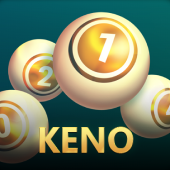 Keno
Game type: cards
Best first step: use Keno Demo to practise selecting numbers, checking a ticket, and reading a completed draw without risking a real balance.
Open Keno on JL68 Try Keno DemoKeno related cards and quick choices
These related cards games give a visitor a compact way to compare different decision styles. Each record below is presented directly with its supplied name and image, and each image uses the same JL68 promotion action.

How Keno moves from selection to result
The direct answer is simple: select numbers, confirm the stake, wait for the draw, and compare the drawn numbers with your selection. Keno does not require a long sequence of card actions; your preparation and your reading of the rules matter more than speed.
Start by opening the Keno information panel and checking the available number range, the minimum and maximum selections, and the payout table. Interfaces can present these choices differently, so read the current on-screen instructions rather than relying on a memory of another Keno table. A clear Keno Demo session lets you find the number board and the confirmation control before you make a real decision.
- Set a session boundary. Decide the time and amount you are willing to use before entering Keno. A boundary is a planning tool, not a target that must be spent.
- Choose numbers deliberately. Mark only the number of selections allowed by the current rules. Birthdays, patterns, and random picks are personal preferences; none can predict the next draw.
- Confirm the ticket. Check the marked numbers, stake, and any multiplier or ticket option. Correcting an entry before confirmation is easier than trying to reconstruct it afterward.
- Watch the draw. Let the draw finish and then compare the result with the ticket. Do not increase a stake while waiting for a result to change.
- Review and stop when planned. Record the outcome if that helps you stay organised, then follow your time, loss, or win boundary.
A new visitor who wants a related comparison can read how a different pace feels in Tower, while keeping the two games conceptually separate. The comparison is useful because Keno is driven by a number draw, not by climbing a visible sequence.
Use the Keno starting flowKeno reminders for a first visit
The most useful beginner note is to separate learning the Keno screen from choosing a stake. Keno Demo is a practice space for controls and terminology; it is not evidence that a particular number is due, and it does not forecast a real-money result.
Before a first Keno round, confirm that the number highlights are visible, that the selected count is what you intended, and that the displayed total reflects your chosen stake. Small screens can make a selected number look similar to an unselected number, so pause and check the ticket summary. Keep the phone in a stable position and avoid tapping repeatedly while the result is loading.
Another important Keno note is that a random draw has no memory. A number that appeared in the last draw is not made less likely by appearing, and a number that has not appeared is not guaranteed to arrive. Number charts can describe history, but they cannot turn history into a reliable prediction.
- Use one modest stake while learning instead of changing several settings at once.
- Read the payout table for the exact number of matches required for each result.
- Do not chase an earlier loss by doubling the next Keno stake.
- Take a break if you feel rushed, frustrated, or tempted to ignore your boundary.
- Keep Keno as entertainment and only participate where it is lawful for you.
For platform context, the About JL68 page explains the wider service in plain language. That information can help a beginner distinguish account features from the independent mechanics of Keno itself.
Explore Keno Demo at your paceKeno number mechanics in plain language
Keno mechanics can be understood through four separate pieces: the number pool, the size of the selection, the draw, and the payout rule. Changing one displayed option can change the price of a ticket or the way a result is evaluated, so always use the current Keno information panel as the final reference.
The number pool is the full set from which the draw is made. Your selection is a smaller set marked on the ticket. The draw then chooses numbers according to the game's stated random process. A match is simply a number that appears in both sets; the value of that match depends on the published payout table, not on how meaningful the number feels to the player.
Four parts to check in Keno
Selection size: More marked numbers can make a ticket feel more engaging, but it also changes the combinations being evaluated. Select within the permitted range and understand the cost before confirmation.
Stake: The stake is the amount assigned to that ticket or round. It controls exposure; it does not control which numbers are drawn.
Match count: The result compares selected numbers with drawn numbers. A higher match count may qualify for a different line in the table, but there is no guarantee that any line will be reached.
Multiplier or bonus option: If the current interface offers an additional option, read its price and conditions. An added multiplier can affect both potential return and the amount committed.
A Keno Demo round is particularly useful for locating these four pieces. First identify the number pool, then mark a small test selection, confirm the ticket, and inspect how the result screen reports matches. Repeat only to learn the interface, not to search for a pattern that can overcome random outcomes.
For a broader view of return-to-player terminology and why published figures are long-run measures rather than promises for one ticket, use the JL68 RTP guide. Keno can be discussed with probability and payout language, but a percentage cannot predict the outcome of an individual draw.
Check the Keno mechanics in JL68Choose your Keno next step
The right next step depends on your purpose. If you are still learning the board, choose Keno Demo and practise one complete ticket from selection through result. If you already understand the controls, review the rules and make a small, pre-planned Keno decision rather than entering with an open-ended goal.
JL68 places the Keno entry and its information in the same mobile-friendly flow, so you can move from reading to action without losing the core details. Keep the rule panel available, confirm every ticket, and stop when your own time or spending limit says the session is over.
A practical Keno choice
Learning: choose the Keno Demo route and focus on controls.
Playing: choose a comfortable stake, confirm the rules, and treat one ticket as one independent event.
Pausing: close the game when you feel pressure to recover a loss or abandon your plan.
How Keno fits the JL68 game path
Keno is the game record on this page, JL68 is the platform that presents the entry and account flow, Keno Demo is the learning route, and the cards category is the organising label. Those roles are related, but they are not interchangeable: the platform supplies access, while the Keno rules describe how a ticket and draw are evaluated.
The relationship is easiest to remember as a short path: JL68 provides the game area; the Keno screen provides the number board and rule information; the player makes a selection and stake decision; the draw produces a result; the payout table explains how that result is classified. A related title such as 5 Card Poker may sit beside Keno in the cards collection, but it uses a different game procedure.
This separation also helps with responsible choices. A JL68 account feature, a promotional message, or a Keno Demo display cannot change the randomness of the draw. Likewise, a previous Keno result cannot instruct another cards game how to behave. Read the relevant rules at the point of use and keep each session decision independent.
Keno connections at a glance
Keno and cards: the supplied type for Keno is cards, which places it with other compact decision games.
Keno and Keno Demo: the demo route teaches navigation and terminology, but it is not a forecast tool.
Keno and JL68: JL68 supplies the mobile access, while the game rules govern selection, draw, matches, and payouts.
Keno and related titles: neighbouring records can offer variety, yet every title must be understood on its own terms.
When you are ready to compare the broader catalogue, browse it from the site's ordinary navigation. Keep this page as your focused reference for Keno, its cards classification, its Keno Demo orientation, and its number-draw workflow.
Continue with Keno on JL68Keno boundaries for clear decisions
A clear Keno session has a start point, a stop point, and an amount chosen in advance. The game should remain optional entertainment. Do not borrow money, use essential funds, or continue because a previous result makes you feel that a win must be next.
Use the Keno Demo option when the goal is to learn, and take a real pause when the goal changes from entertainment to recovering a loss. A timer, a written limit, and a decision to step away can be more useful than any number-selection theory. If gambling stops feeling enjoyable or controlled, stop and seek support from a trusted person or an appropriate local service.
The same habits apply whether you enter through a phone browser or another JL68 access point. Protect your login details, verify that you are on the intended site, and do not share account credentials. Responsible participation includes protecting both your balance and your personal information.
Review Keno before you decide